Welcome Ramadhan: Elevating Design with Authentic Arabic Typography
In the world of graphic design, typography is more than just arranging letters; it is the art of giving voice to visual communication. When a project requires a specific cultural resonance or a festive atmosphere, the choice of typeface becomes critical. This is particularly true during the holy month of Ramadan, a time celebrated by over a billion Muslims worldwide. For designers seeking to capture the essence of this sacred period, Welcome Ramadhan emerges as a premier solution. This Arabic-styled display typeface offers a unique blend of traditional aesthetics and modern functionality, making it an indispensable tool for creative professionals.
Understanding why this font stands out requires looking beyond its surface beauty. It is not merely a collection of shapes but a carefully engineered system designed to evoke the spirit of Arabian calligraphy while remaining accessible to digital creators. Whether you are designing invitation cards, social media graphics, or corporate branding materials, Welcome Ramadhan provides the authenticity needed to connect with your audience on a deeper level.
The Essence of Arabic-Styled Display Typography
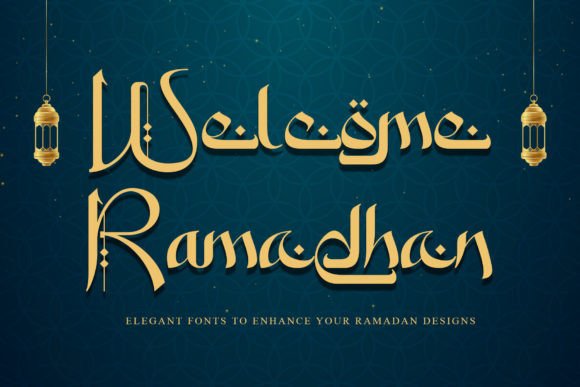
To appreciate the value of Welcome Ramadhan, one must first understand the role of display typography. Unlike body text fonts, which are designed for long-form reading and clarity, display fonts are crafted to grab attention. They are used for headlines, logos, and short bursts of text where impact is paramount. Welcome Ramadhan fits squarely into this category, featuring irresistible characters that mimic the fluid, organic lines of standard Arabian alphabets.
The font’s design philosophy centers on authenticity. Many "Arabic-style" fonts available today are merely Latin alphabets with decorative flourishes added to look exotic. These often fail to respect the structural integrity of actual Arabic calligraphy, resulting in designs that feel disjointed or culturally insensitive. In contrast, Welcome Ramadhan is built with a deep respect for the source material. Its characters possess the curvature, weight, and rhythm associated with traditional Islamic art, ensuring that every letterform contributes to a cohesive and respectful visual narrative.
Why Authenticity Matters in Design
In an increasingly globalized world, cultural sensitivity in design is not just a nice-to-have; it is a necessity. Using a font that accurately reflects the aesthetic traditions of the culture you are representing builds trust and rapport with your audience. For businesses targeting Muslim consumers during Ramadan, using a generic or poorly constructed font can signal a lack of effort or understanding. Conversely, employing a high-quality typeface like Welcome Ramadhan demonstrates respect and attention to detail.
This authenticity extends to the emotional impact of the design. The flowing lines and elegant curves of the font evoke feelings of peace, spirituality, and celebration—core themes of the Ramadan experience. By integrating these visual cues, designers can create materials that resonate emotionally, fostering a stronger connection between the brand and the consumer.
Technical Excellence: The Power of PUA Encoding
One of the most significant advantages of Welcome Ramadhan is its technical foundation. The font is PUA encoded, a feature that significantly enhances its usability for designers. PUA stands for Private Use Area, a section of the Unicode standard reserved for custom characters and glyphs that are not part of the standard character set.
For those unfamiliar with typography technicalities, this might sound complex, but its practical benefit is straightforward. PUA encoding means that all the extra glyphs, swashes, ligatures, and alternative character forms are easily accessible within standard design software. You do not need specialized plugins or complex workarounds to access these features. Instead, you can simply select the desired glyph from your font panel and insert it with ease.
Unlocking Creative Potential with Swashes and Glyphs
The true magic of Welcome Ramadhan lies in its extensive library of swashes and alternate glyphs. These elements allow designers to customize the look of their text, adding unique flourishes that make each project distinct. For example, you might choose a version of the letter "R" with an extended tail for a logo, or use a decorative swash to frame a headline on a greeting card.
Because the font is PUA encoded, accessing these variations is seamless. This ease of access encourages experimentation. Designers can quickly try different combinations of glyphs to find the perfect balance between readability and artistic flair. This flexibility is crucial for creating bespoke designs that stand out in a crowded digital landscape.
Practical Applications in Modern Projects
The versatility of Welcome Ramadhan makes it suitable for a wide range of applications. Its ability to convey both tradition and modernity allows it to fit seamlessly into various contexts, from religious events to commercial campaigns.
- Ramadan Greeting Cards: The font’s elegant style is perfect for creating heartfelt messages for family and friends. The swashes can be used to decorate borders or highlight key phrases like "Ramadan Mubarak."
- Social Media Graphics: In the age of Instagram and Facebook, eye-catching visuals are essential. Welcome Ramadhan can be used to create quote images, event announcements, and promotional posts that stop users from scrolling.
- Event Invitations: For Iftar dinners or community gatherings, the font adds a touch of sophistication to printed and digital invitations. Its display nature ensures that the event details are prominent and stylish.
- Brand Packaging: Companies selling dates, sweets, or other Ramadan-related products can use the font on packaging to convey quality and tradition. The authentic look helps products stand out on shelves.
- Web Headers: While not suitable for body text, Welcome Ramadhan can be used for website headers and banners during the Ramadan season, instantly updating the site’s theme to match the occasion.
Integrating Welcome Ramadhan into Your Workflow
Adding Welcome Ramadhan to your projects is a straightforward process that yields impressive results. Here is a simple guide to getting the most out of this typeface:
- Installation: Download the font file and install it on your operating system. Ensure that your design software recognizes the new font.
- Exploration: Open the font in your preferred design tool (such as Adobe Illustrator, Photoshop, or InDesign). Browse through the glyph panel to familiarize yourself with the available characters and swashes.
- Composition: Start typing your text. Experiment with different sizes and spacing. Remember that display fonts often look best at larger sizes, so avoid using them for small paragraphs.
- Customization: Use the PUA-encoded glyphs to replace standard characters with more decorative alternatives. Adjust the kerning if necessary to ensure optimal spacing between letters.
- Contextual Harmony: Pair Welcome Ramadhan with a clean, simple sans-serif font for body text. This contrast ensures that the decorative nature of the display font does not overwhelm the reader.
Common Misconceptions About Decorative Fonts
There are several misunderstandings regarding the use of decorative typefaces like Welcome Ramadhan. One common assumption is that such fonts are difficult to read. While it is true that they should not be used for long passages of text, they are highly legible when used appropriately for headlines and short phrases. Another misconception is that Arabic-styled fonts are only relevant for religious contexts. In reality, the aesthetic appeal of these fonts can enhance any design that seeks to convey elegance, warmth, or cultural richness, regardless of the specific subject matter.
Furthermore, some designers believe that specialized knowledge of Arabic calligraphy is required to use these fonts effectively. However, thanks to features like PUA encoding, Welcome Ramadhan democratizes access to these beautiful forms. Designers of all skill levels can achieve professional-looking results without needing years of calligraphic training.
Conclusion: Embrace the Spirit of Design
Welcome Ramadhan is more than just a font; it is a bridge between tradition and modern design. Its authentic Arabic styling, combined with the technical convenience of PUA encoding, makes it a powerful tool for any creative professional. By incorporating this typeface into your projects, you not only enhance the visual appeal of your work but also show respect for the cultural significance of the Ramadan season.
As you plan your upcoming designs, consider the impact of typography. Choose fonts that tell a story, evoke emotion, and connect with your audience. Add Welcome Ramadhan confidently to your toolkit, and you will love the results. The irresistible characters and unique features of this font will help you create memorable, meaningful, and visually stunning projects that celebrate the beauty of the season.
For more insights on typography and design trends, explore our other resources on creative best practices and cultural sensitivity in branding. Let your designs speak with clarity, elegance, and heart.